Setup and loading
Adjust the foot platform so your upper chest sits at the top edge of the pad and your arms can fully extend. Use a wide grip to emphasize the upper back or a neutral grip for the lats, with a load for 8 to 12 strict reps.
How to do the chest-supported t-bar row step by step
- Set the platform and lie face down with your upper chest at the top edge of the pad and your feet planted.
- Grab the handles with your chosen grip, lift the lever off the supports, and let your arms hang straight.
- Exhale and row the handles toward your chest, driving your elbows back and squeezing your shoulder blades.
- Keep your chest on the pad and hold the squeeze for one second at the top.
- Inhale and lower under control until your arms are straight, letting your shoulder blades spread without losing position.
- When the set is done, return the lever to the supports before getting off.
Form cues
- Chest glued to the pad
- Elbows back, blades together
- Full stretch at the bottom
- Neutral neck, eyes down
Common mistakes
- Lifting your chest off the pad: it adds momentum and wastes the support; lower the weight.
- Short range with heavy load: you lose the most useful part; reach full stretch and squeeze.
- Lifting your head to look forward: it strains your neck; keep your head in line.
- Shrugging at the top: the upper traps take over; drive elbows back, not hands up.
How to make it easier or harder
To make it easier, start with the chest-supported incline dumbbell row or light weight on the machine. To progress, add plates, use two-second pauses, or rotate grips to shift the emphasis.
Sets and reps for your goal
Hypertrophy
3-4 x 8-12 · rest 60-90 s3-4 sets of 6-12 reps (up to 15-20 on isolation exercises) at 65-80% of your max. Rest 1 to 2 minutes.
Get close to failure (0-3 reps in reserve) and control the lowering for 2-3 seconds. Accumulate 10-20 sets per muscle per week.
Max Strength
4-5 x 3-6 · rest 2-3 min3-6 sets of 1-6 reps at 80-90% of your max (1RM). Rest 2 to 5 minutes.
Leave 1-3 reps in reserve. If your technique breaks down, lower the weight: strength is built with good reps.
A guide for healthy adults. Adjust the load to your level and see a professional if you have an injury.
Check your form
Film yourself from the side or ask someone to watch, then tick what you get right.
Frequently asked questions
Why use a chest-supported T-bar row instead of a free one?
The chest pad stops your lower back from holding your torso up, so you can focus on your back and handle heavy loads with less overall fatigue. The free version demands more stability but also taxes your lower back more.
Which grip is best for T-bar rows?
A wide overhand grip flares the elbows and emphasizes the upper back and rear delts. A close neutral grip keeps the elbows tucked and favors the lats. Both are useful depending on your goal.
Sports it suits
Variations and similar exercises
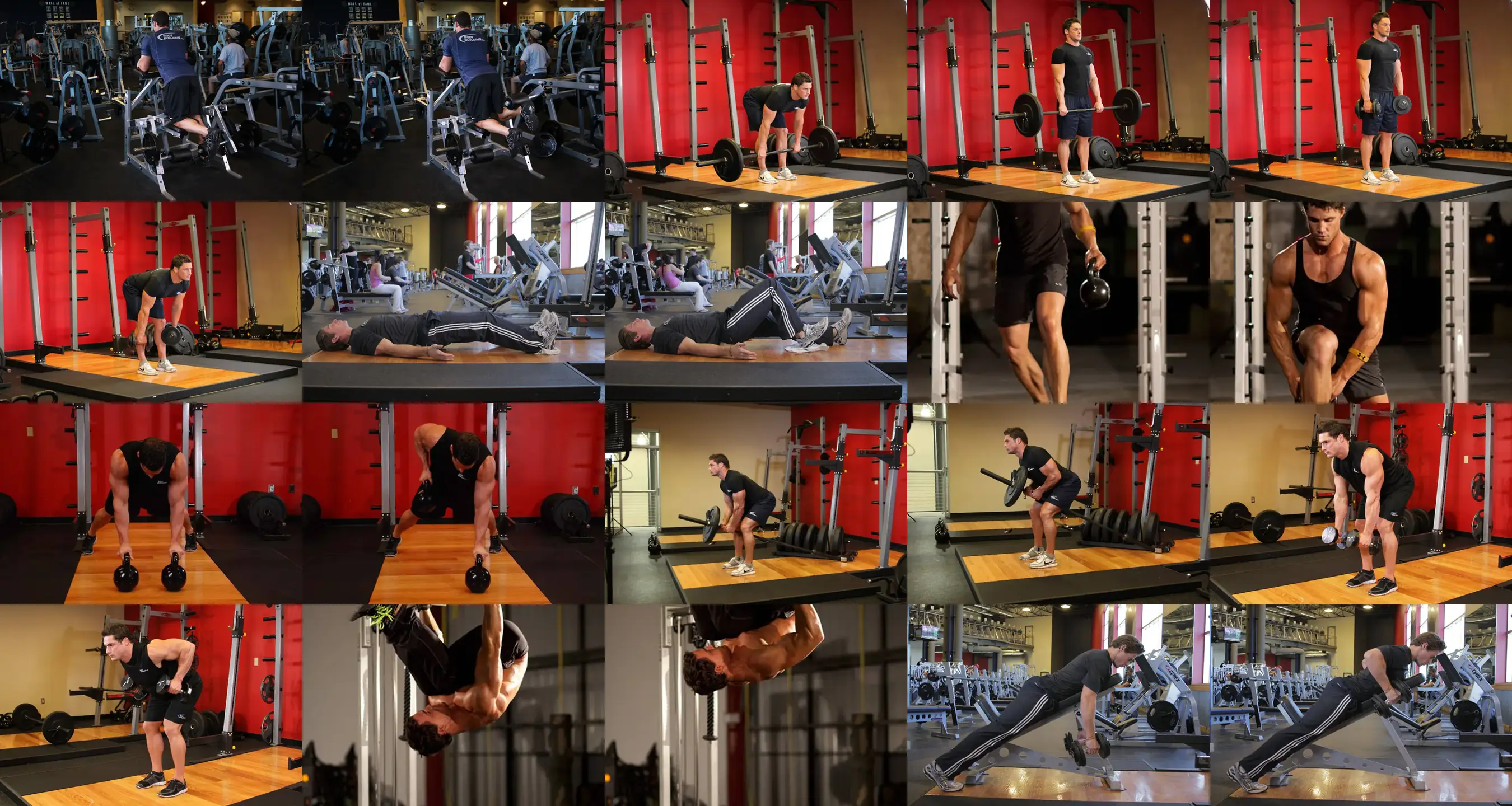
Alternating Renegade Row
Landmine T-Bar Row
Bent-Over Dumbbell Row
Bodyweight Bar Row
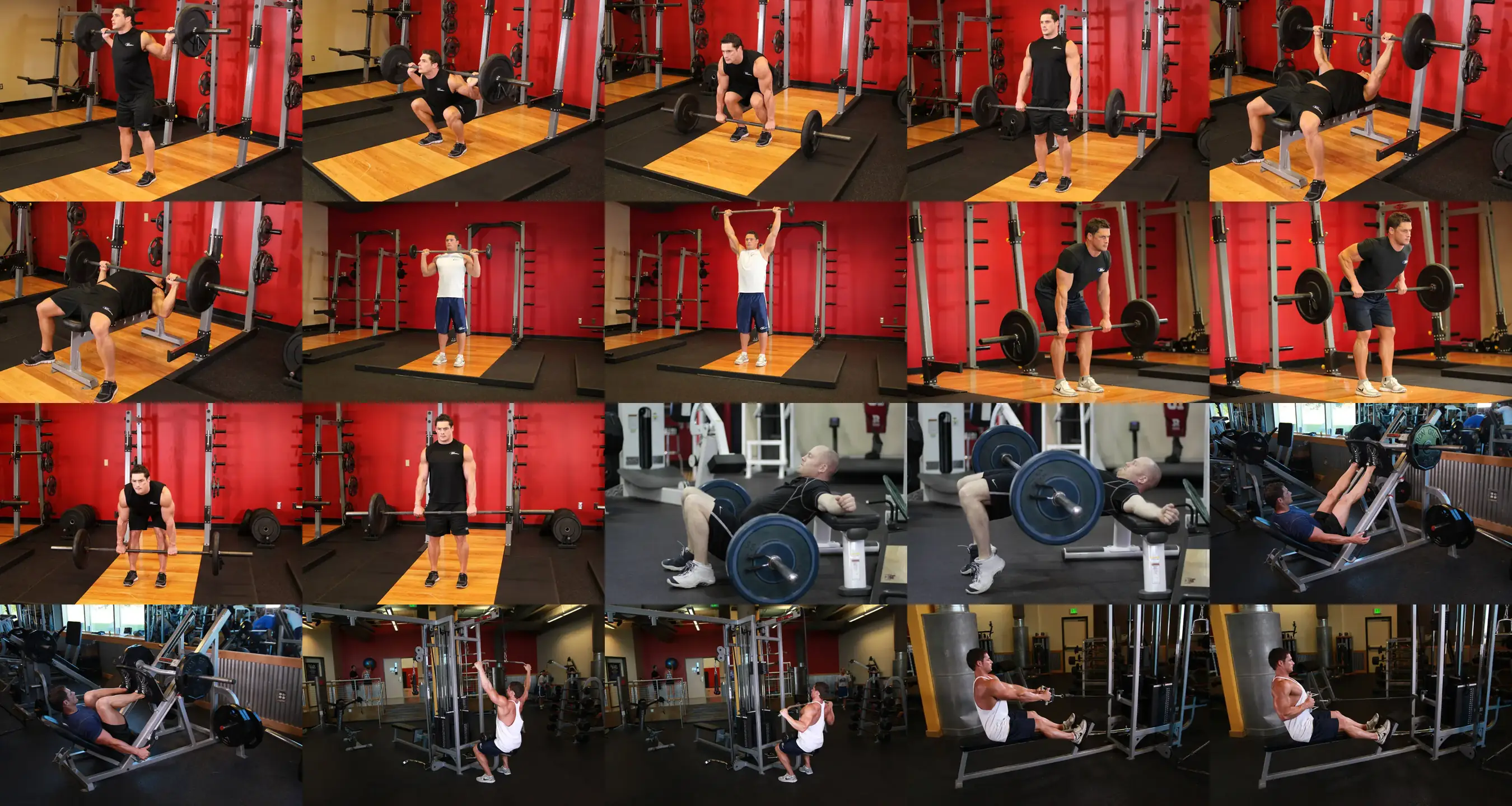
Bent-Over Barbell Row
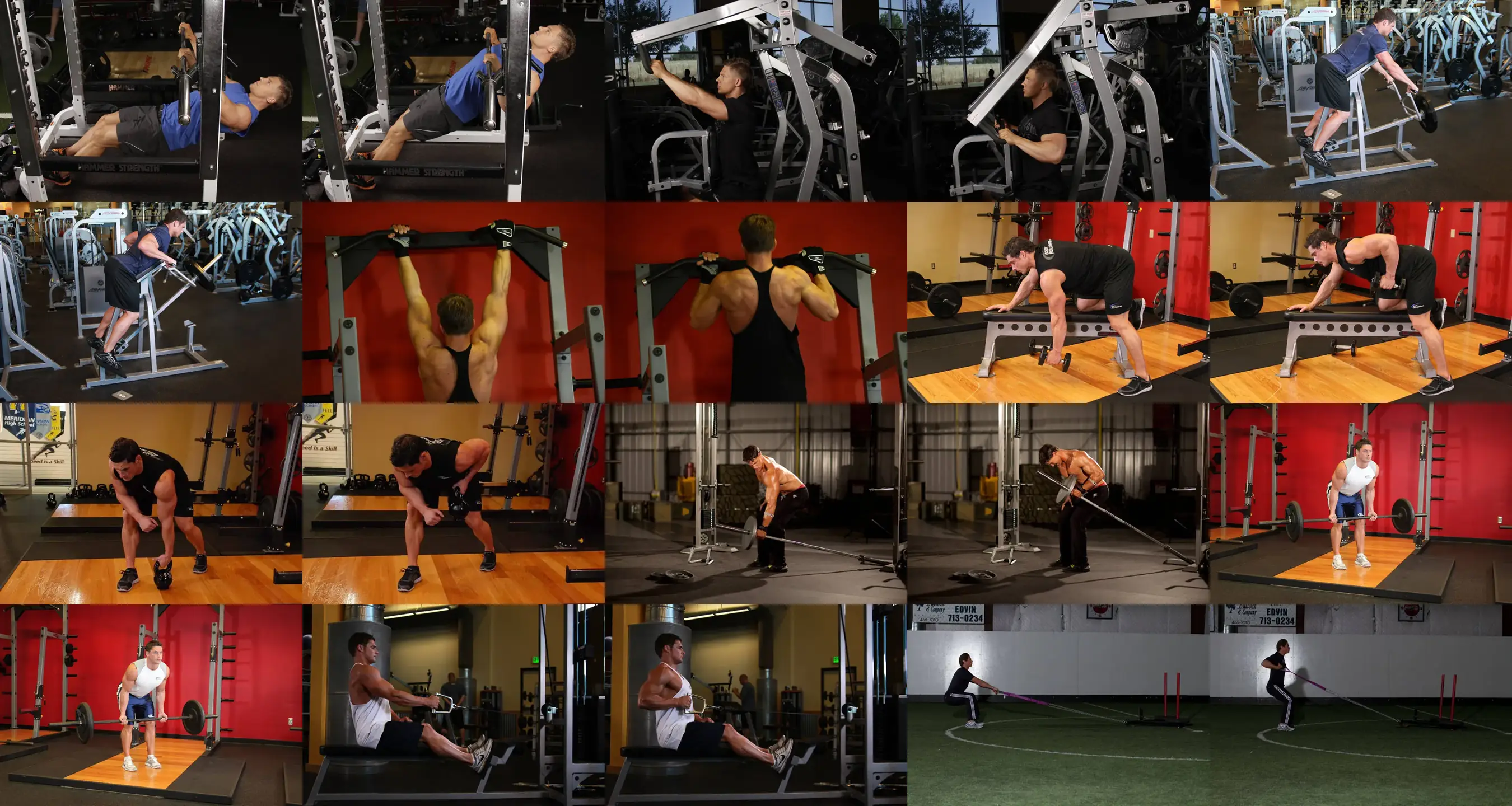
One-Arm Kettlebell Row
Reverse-Grip Barbell Row