Setup and loading
Grip the bar underhand at shoulder width and lean your torso about 30 to 45 degrees from vertical. Pick a weight for 6 to 10 reps without standing up or using momentum; if your elbow or biceps feels strained, reduce the load.
How to do the reverse-grip barbell row step by step
- Unrack the bar with an underhand, shoulder-width grip and set your feet hip width apart.
- Bend your knees slightly and push your hips back until your torso leans about 30 to 45 degrees, bar near knee height.
- Take a breath, brace your abs, and row the bar toward your belly button with your elbows tucked close.
- Squeeze your back for one second as the bar touches your lower stomach, exhaling at the top.
- Lower the bar under control until your arms are straight, keeping the same torso angle.
- Repeat without bouncing and rerack the bar with a neutral spine when done.
Form cues
- Elbows tight, brushing your ribs
- Bar to your belly button
- Wrists straight, not bent back
- Lock in your torso angle
Common mistakes
- Standing up on every rep: it turns into a shrug; drop the weight and hold your angle.
- Wrists bending back: it overloads the forearms and elbows; keep wrists stacked with your forearms.
- Curling the bar: biceps take over; focus on driving your elbows back.
- Grip too narrow: it stresses the elbows; set your hands at shoulder width.
How to make it easier or harder
To make it easier, start with underhand-grip incline dumbbell rows or a machine row. To progress, add load gradually, pause at the top, or alternate with overhand Pendlay rows.
Sets and reps for your goal
Hypertrophy
3-4 x 8-12 · rest 60-90 s3-4 sets of 6-12 reps (up to 15-20 on isolation exercises) at 65-80% of your max. Rest 1 to 2 minutes.
Get close to failure (0-3 reps in reserve) and control the lowering for 2-3 seconds. Accumulate 10-20 sets per muscle per week.
Max Strength
4-5 x 3-6 · rest 2-3 min3-6 sets of 1-6 reps at 80-90% of your max (1RM). Rest 2 to 5 minutes.
Leave 1-3 reps in reserve. If your technique breaks down, lower the weight: strength is built with good reps.
A guide for healthy adults. Adjust the load to your level and see a professional if you have an injury.
Check your form
Film yourself from the side or ask someone to watch, then tick what you get right.
Frequently asked questions
What is the difference between underhand and overhand rows?
With an underhand grip your elbows stay tucked and the bar travels to your belly button, emphasizing the lower lats and biceps. An overhand grip flares the elbows slightly and works more upper back and rear delts.
Is the reverse-grip row risky for the biceps?
With reasonable loads and good form it rarely causes problems. Risk rises with max weights and jerky pulls, since the biceps sit in a vulnerable position. Avoid yanking, control the lowering, and do not grind heavy sets.
Sports it suits
Gear for this exercise
- Olympic barbell and platesTo keep progressing on the big lifts with heavy loads.
As an Amazon Associate, Muscle Atlas earns from qualifying purchases.
Variations and similar exercises
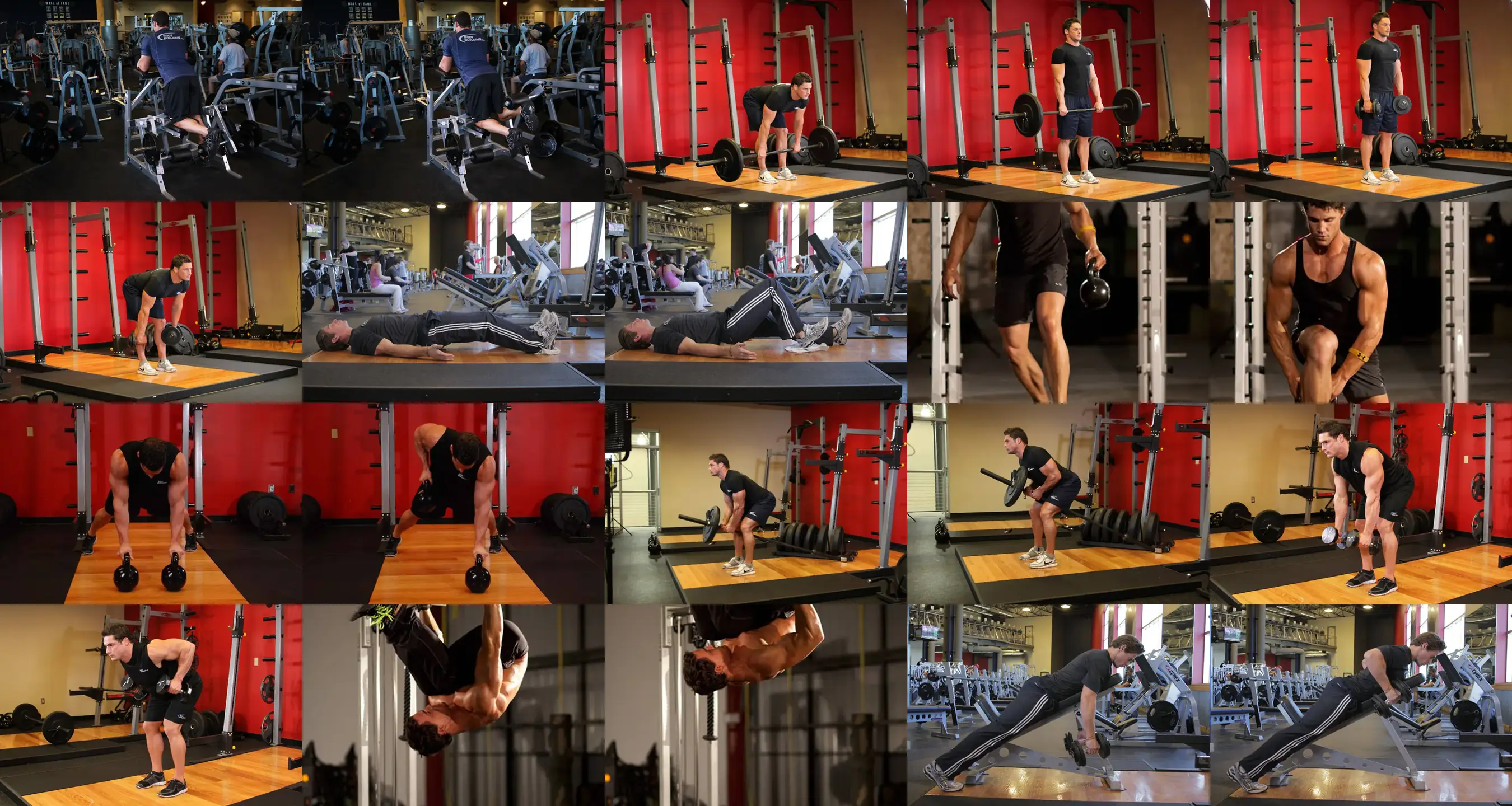
Alternating Renegade Row
Landmine T-Bar Row
Bent-Over Dumbbell Row
Bodyweight Bar Row
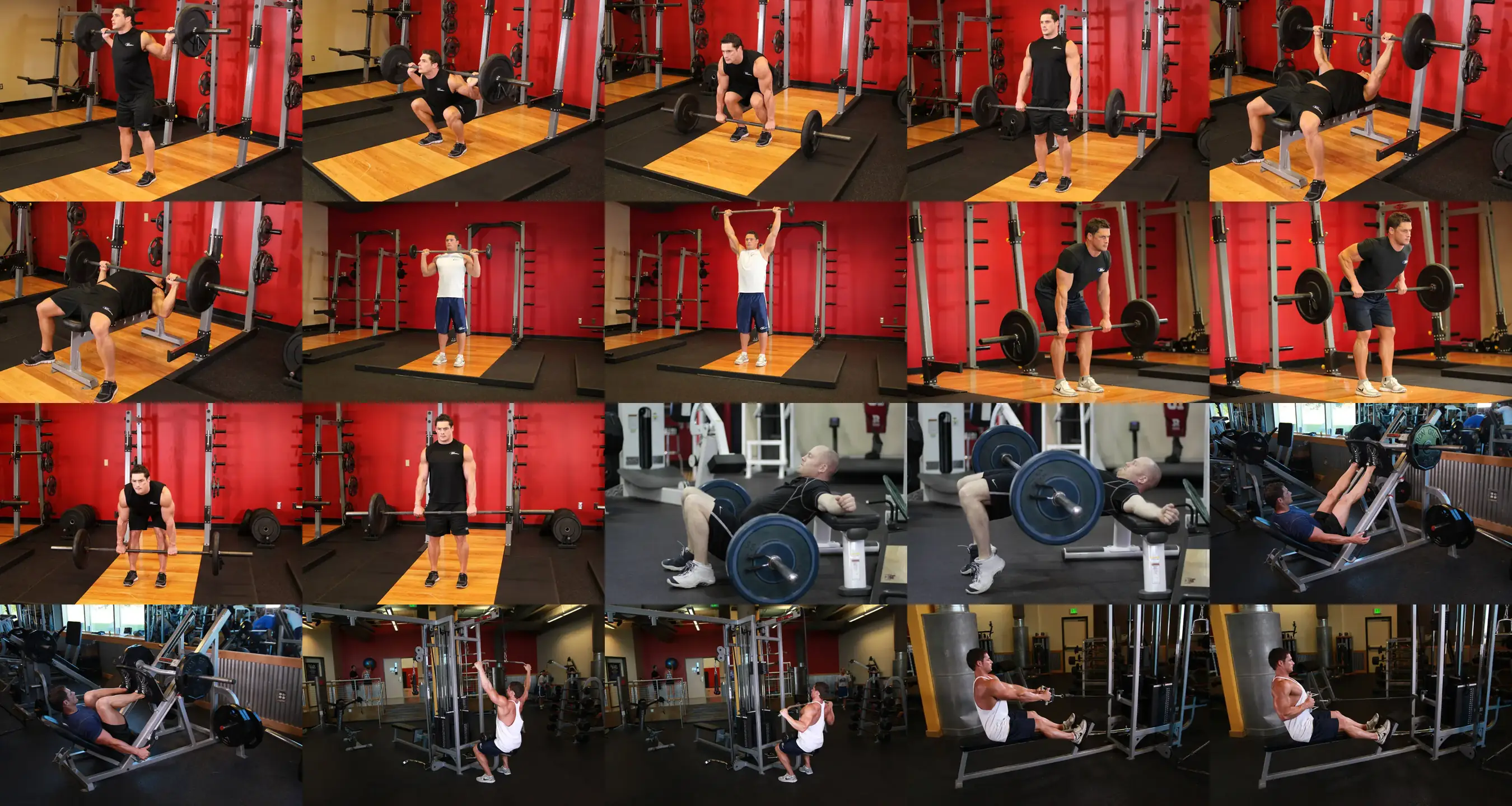
Bent-Over Barbell Row
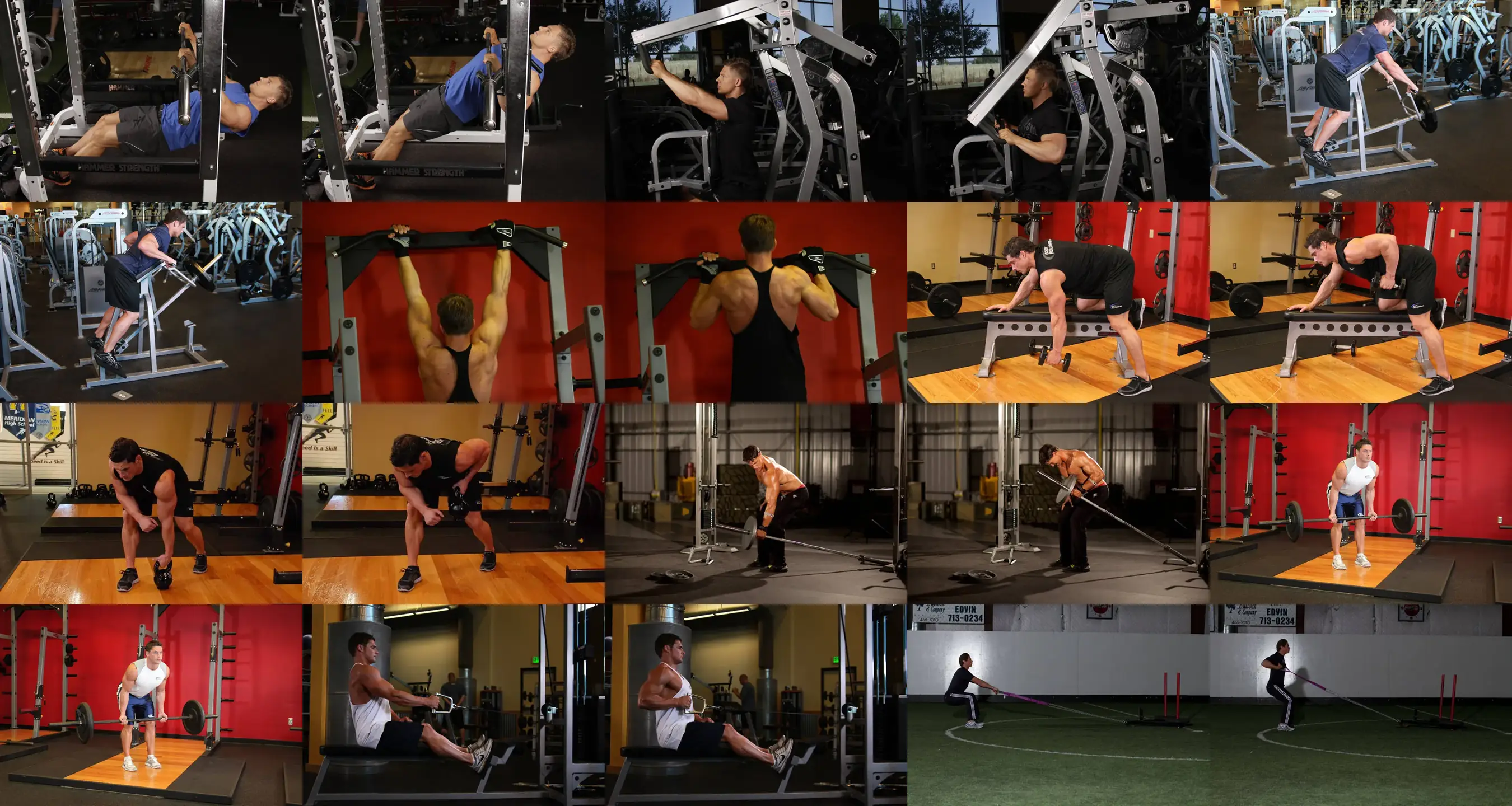
Chest-Supported T-Bar Row
One-Arm Kettlebell Row