Setup and loading
Thread a plate or kettlebell onto a dip belt and adjust it so the load hangs between your legs without swinging. Start with about 5 to 10 percent of your body weight and build gradually, working in sets of 3 to 8 strict reps.
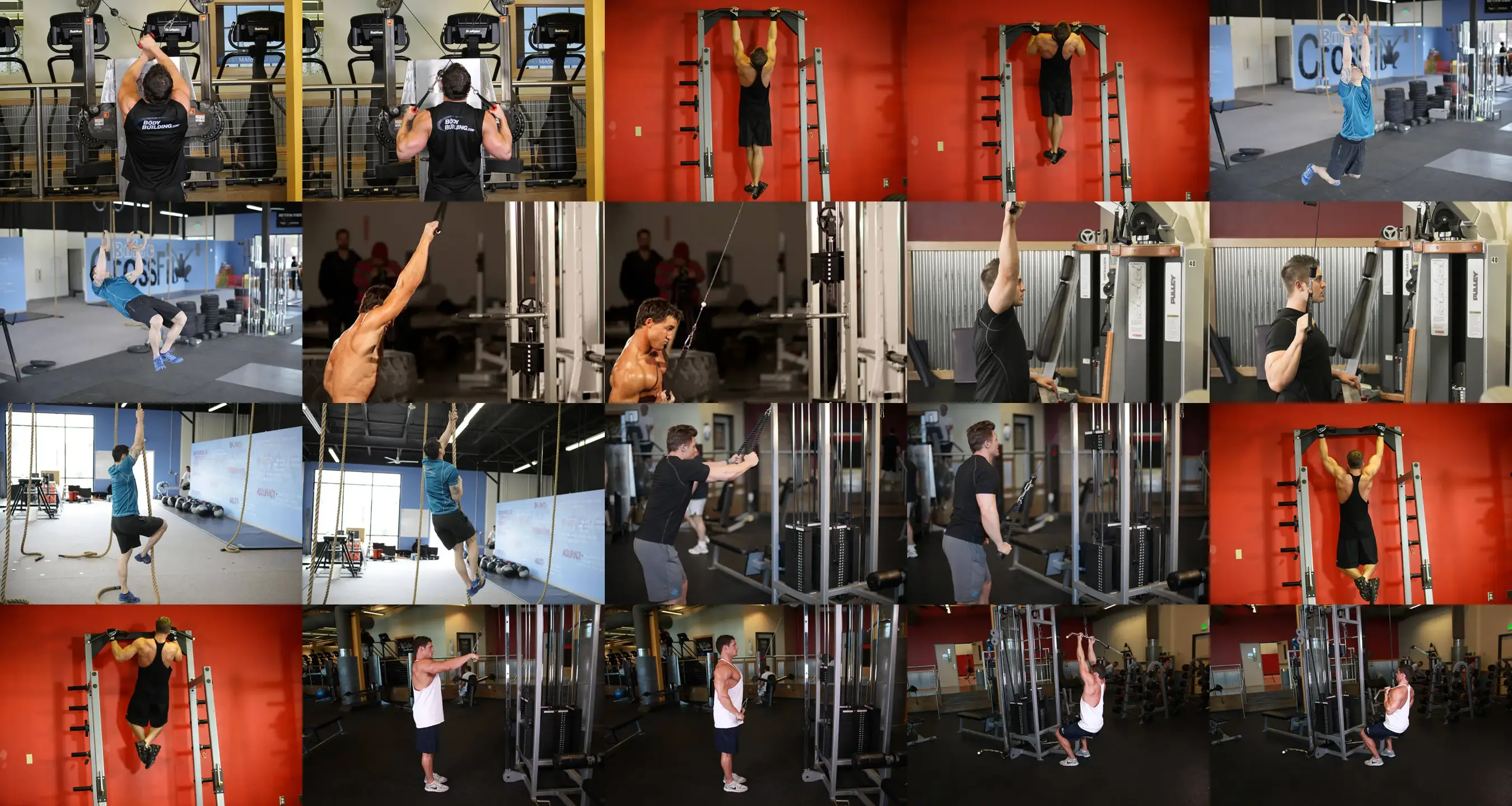
How to do the weighted pull-up step by step
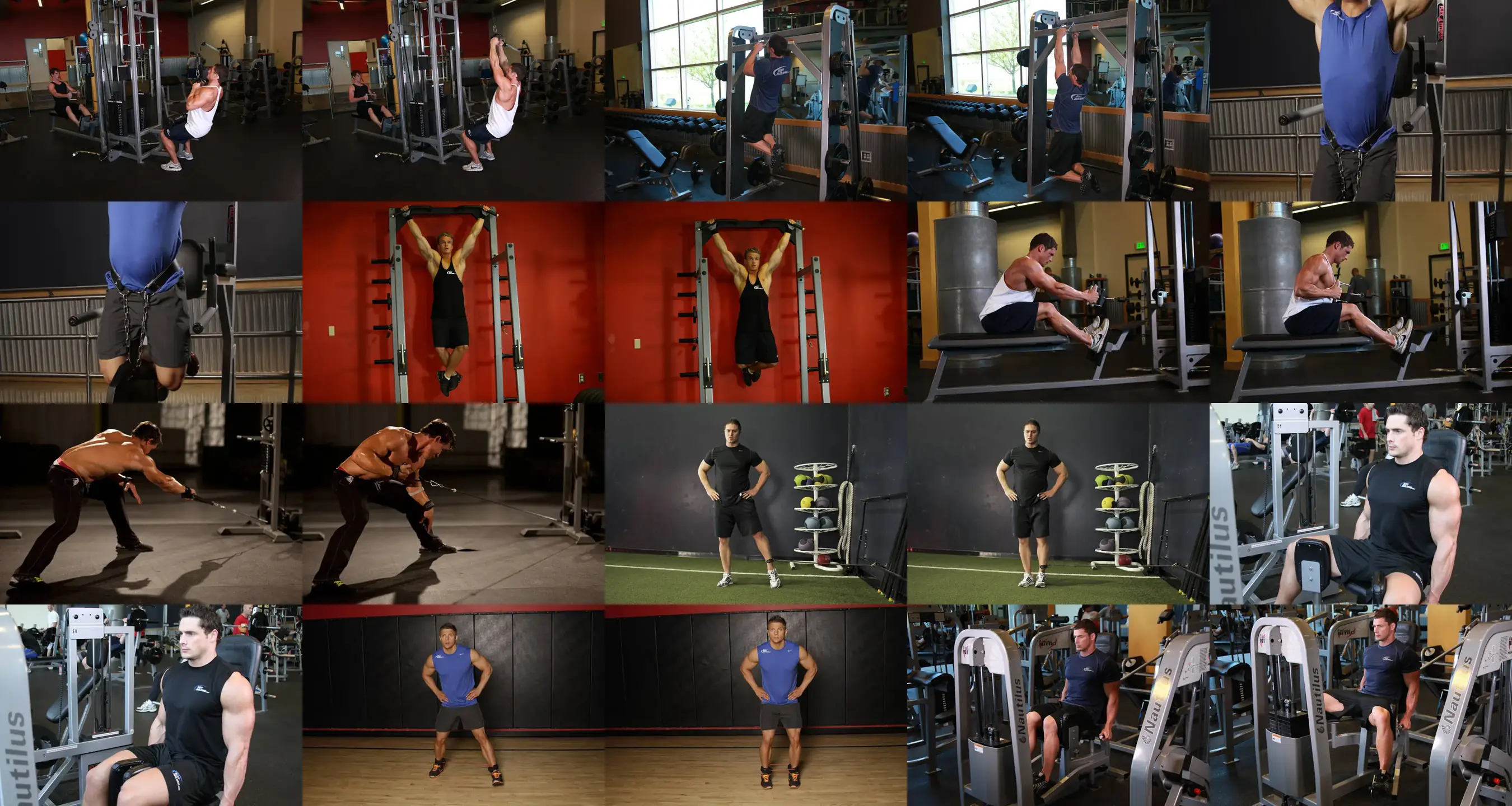
- Run the belt chain through a plate or kettlebell and fasten it at your waist with the load hanging in front.
- Step onto a bench or box, grip the bar overhand slightly wider than shoulders, and lower into a hang.
- Straighten your arms fully, squeeze your abs and glutes, and let the load settle.
- Pull your shoulders down, exhale, and drive your elbows down until your chin clears the bar.
- Inhale and lower slowly until your arms are completely straight, keeping the load from swinging.
- After the set, put your feet back on the box before letting go of the bar.
Form cues
- Load still, legs together and tight
- Elbows to your ribs on every rep
- Full range, same as bodyweight reps
- Controlled descent every rep, no dropping
Common mistakes
- Adding weight too fast: reps get shorter; increase the load in small jumps.
- Swinging load: it creates momentum and jerks; settle it before each rep.
- Dropping off with weight attached: hard on shoulders and elbows; always lower under control.
- Jumping up from the floor: awkward and risky; use a box to get into the hang.
How to make it easier or harder
If you are not ready, build bodyweight pull-ups and slow negatives, or use a light vest. To progress, add 2.5 to 5 pounds at a time, pause halfway up, or work heavy sets of one to three reps.
Sets and reps for your goal
Hypertrophy
3-4 x 8-12 · rest 60-90 s3-4 sets of 6-12 reps (up to 15-20 on isolation exercises) at 65-80% of your max. Rest 1 to 2 minutes.
Get close to failure (0-3 reps in reserve) and control the lowering for 2-3 seconds. Accumulate 10-20 sets per muscle per week.
Max Strength
4-5 x 3-6 · rest 2-3 min3-6 sets of 1-6 reps at 80-90% of your max (1RM). Rest 2 to 5 minutes.
Leave 1-3 reps in reserve. If your technique breaks down, lower the weight: strength is built with good reps.
A guide for healthy adults. Adjust the load to your level and see a professional if you have an injury.
Check your form
Film yourself from the side or ask someone to watch, then tick what you get right.
Frequently asked questions
When should I start weighted pull-ups?
A good benchmark is 8 to 10 strict, full-range pull-ups. With that base, adding weight lets you keep building strength without doing very long sets.
How much weight should I use for weighted pull-ups?
Start small, around 5 to 10 percent of your body weight, and aim for clean reps. Only add load once you can finish all your planned sets with good form. Progress usually comes in small increments.
Sports it suits
Gear for this exercise
- Pull-up barWall-mounted beats doorway if you plan to add weight.
As an Amazon Associate, Muscle Atlas earns from qualifying purchases.