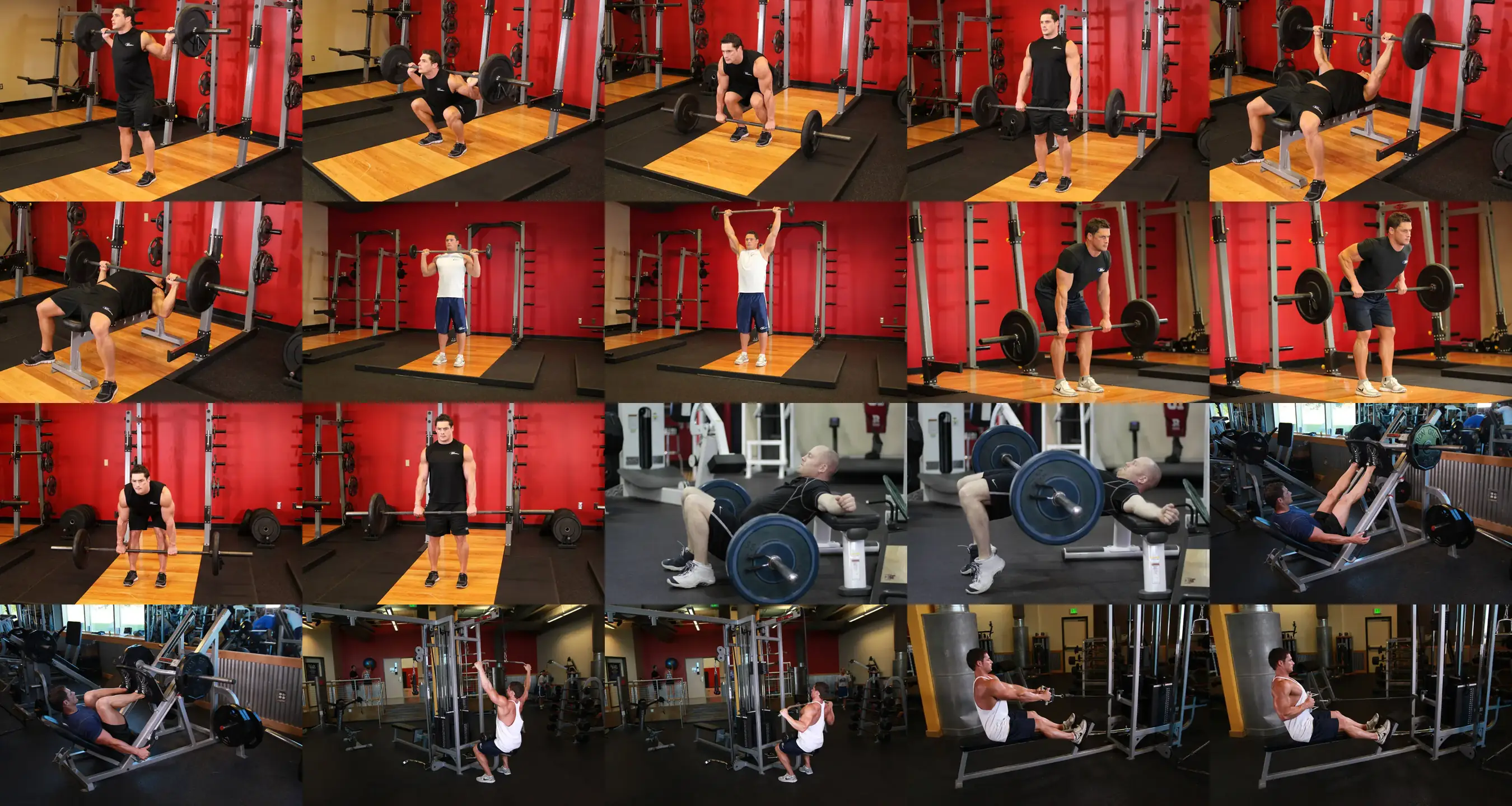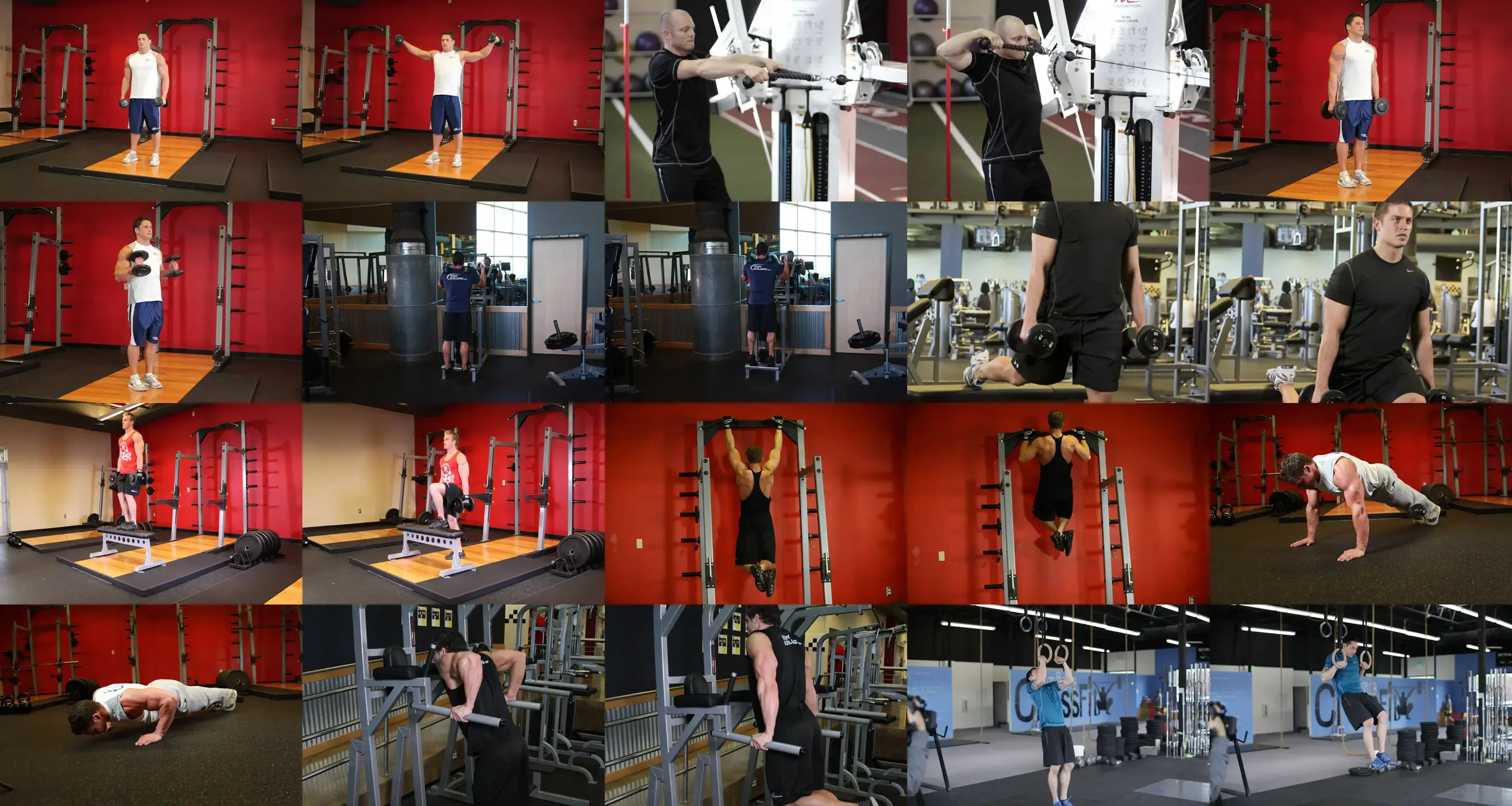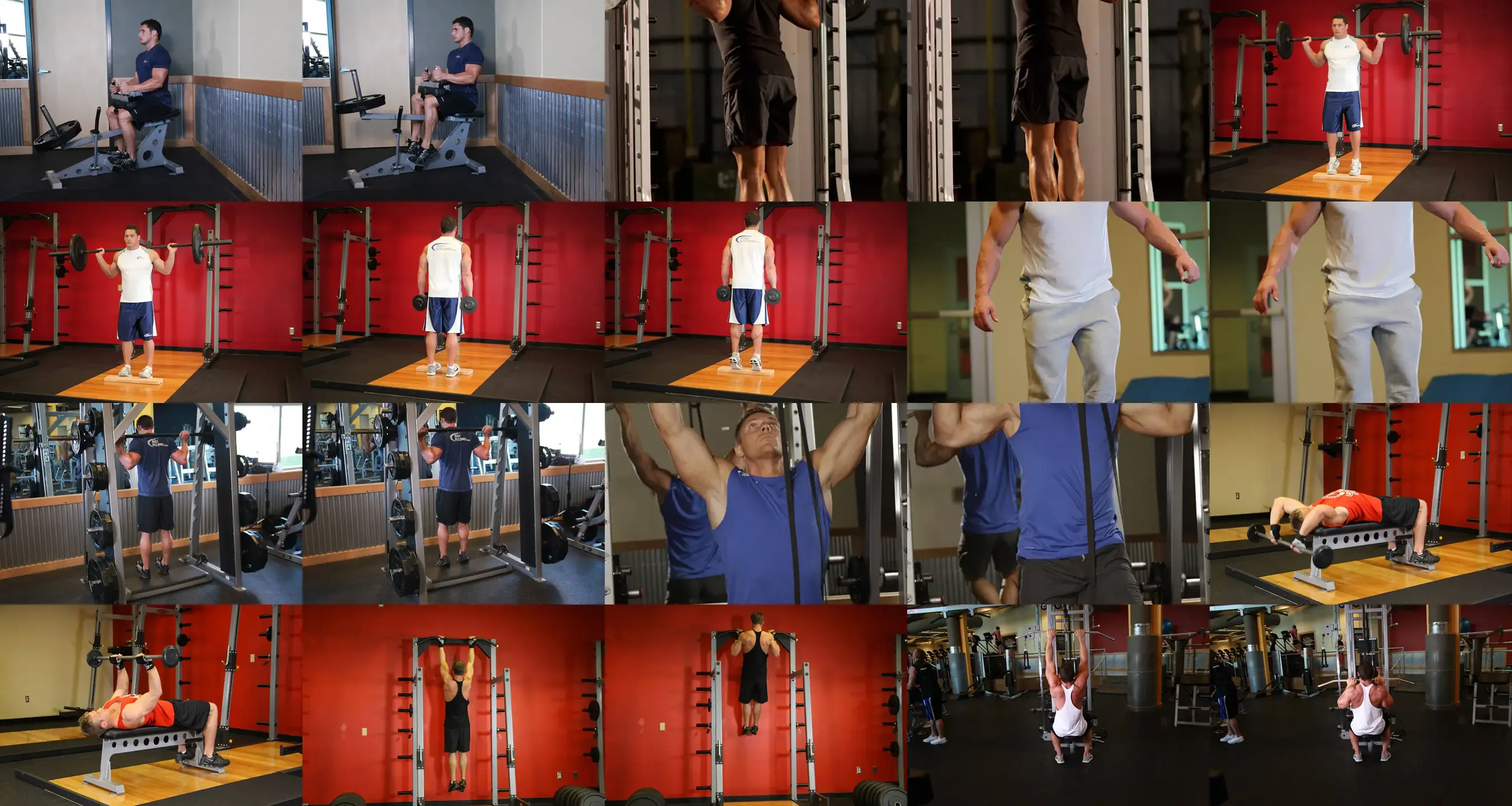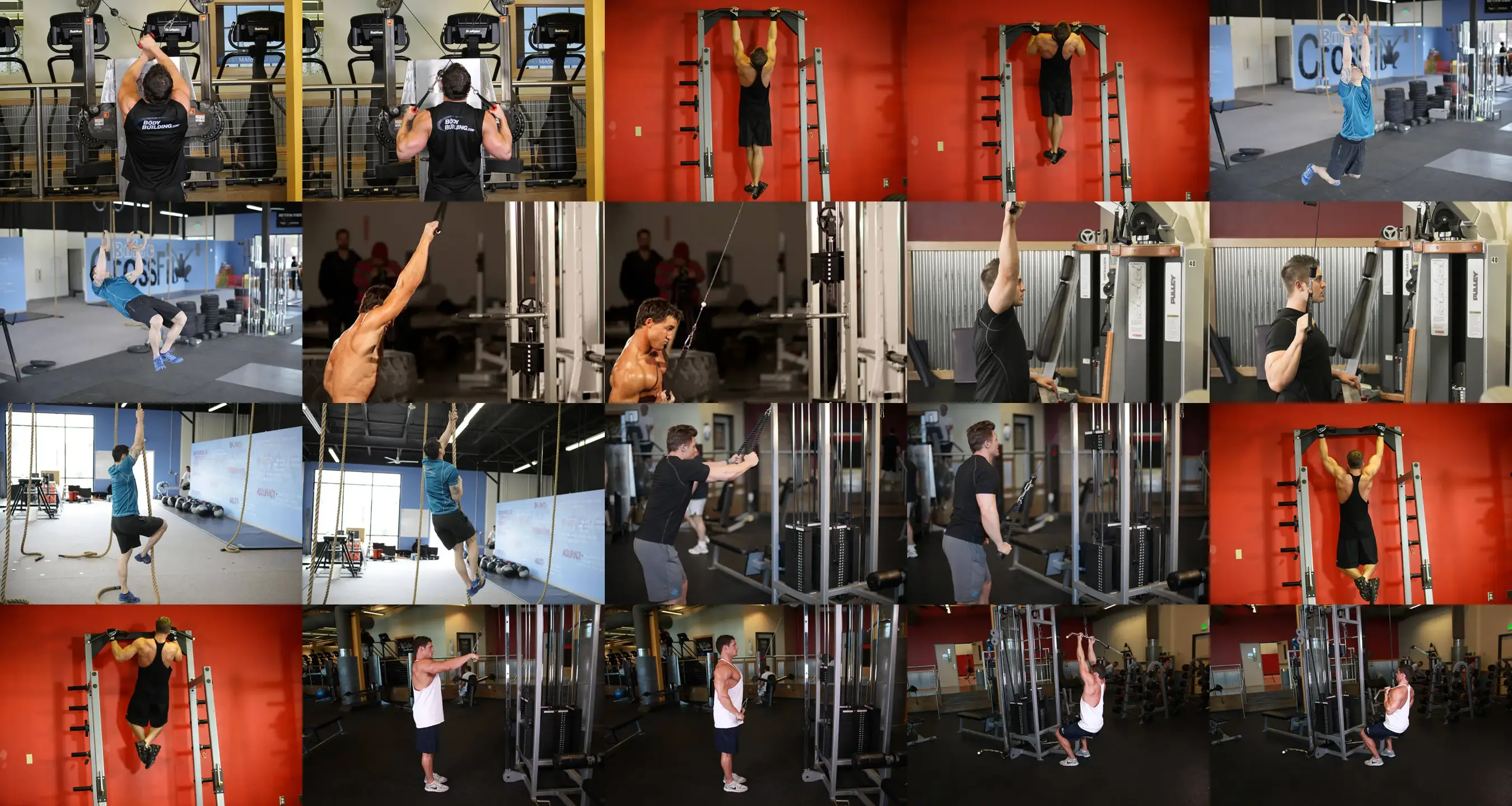
Setup and loading
Grip the bar overhand wide but not extreme, about one and a half times shoulder-width. If you feel pinching or pain in your shoulders, switch to wide-grip pull-ups to the front; if you cannot do 5 reps, use a band.
How to do the wide-grip behind-the-neck pull-up step by step
- Grab the bar overhand with your hands about one and a half times shoulder-width apart.
- Hang with straight arms, pull your shoulders down, and brace your core.
- Tilt your head slightly forward, without straining your neck, to make room for the bar.
- Exhale and drive your elbows down and out until the bar is near the back of your neck.
- Pause briefly at the top without letting the bar touch your head or neck.
- Inhale and lower slowly until your arms are fully straight.
Form cues
- Elbows travel down and out to the sides
- Neck relaxed, do not push your head
- Only go as high as your shoulders allow
- Slow descent to straight arms
Common mistakes
- Cranking your neck forward: it stresses your cervical spine; tilt your head only slightly.
- Grip too wide: shorter range and shoulder strain; use a moderate width.
- Training through shoulder pain: it can make it worse; switch to front pull-ups.
- Swinging your legs: less control; keep your body still and tight.
How to make it easier or harder
As an easier, more shoulder-friendly option, do wide-grip pull-ups to the front or light behind-the-neck cable pulldowns if your mobility allows. To progress, add top pauses, slow negatives, or a small amount of weight, always pain-free.
Sets and reps for your goal
Hypertrophy
3-4 x 8-12 · rest 60-90 s3-4 sets of 6-12 reps (up to 15-20 on isolation exercises) at 65-80% of your max. Rest 1 to 2 minutes.
Get close to failure (0-3 reps in reserve) and control the lowering for 2-3 seconds. Accumulate 10-20 sets per muscle per week.
Max Strength
4-5 x 3-6 · rest 2-3 min3-6 sets of 1-6 reps at 80-90% of your max (1RM). Rest 2 to 5 minutes.
Leave 1-3 reps in reserve. If your technique breaks down, lower the weight: strength is built with good reps.
A guide for healthy adults. Adjust the load to your level and see a professional if you have an injury.
Check your form
Film yourself from the side or ask someone to watch, then tick what you get right.
Frequently asked questions
Are behind-the-neck pull-ups dangerous?
They are not dangerous for everyone, but they require external shoulder rotation many people lack. With good mobility, light loading, and no pain, they can be tolerable. If you feel pinching or discomfort, choose the front version instead.
Do behind-the-neck pull-ups work your back more?
Not necessarily. Both versions train the lats and upper back; the behind-the-neck version only changes head and shoulder position. For most people, front pull-ups deliver similar results with less stress on the joints.
Sports it suits
Gear for this exercise
- Exercise matThick (8-10 mm) for floor work.
- Pull-up barWall-mounted beats doorway if you plan to add weight.
As an Amazon Associate, Muscle Atlas earns from qualifying purchases.